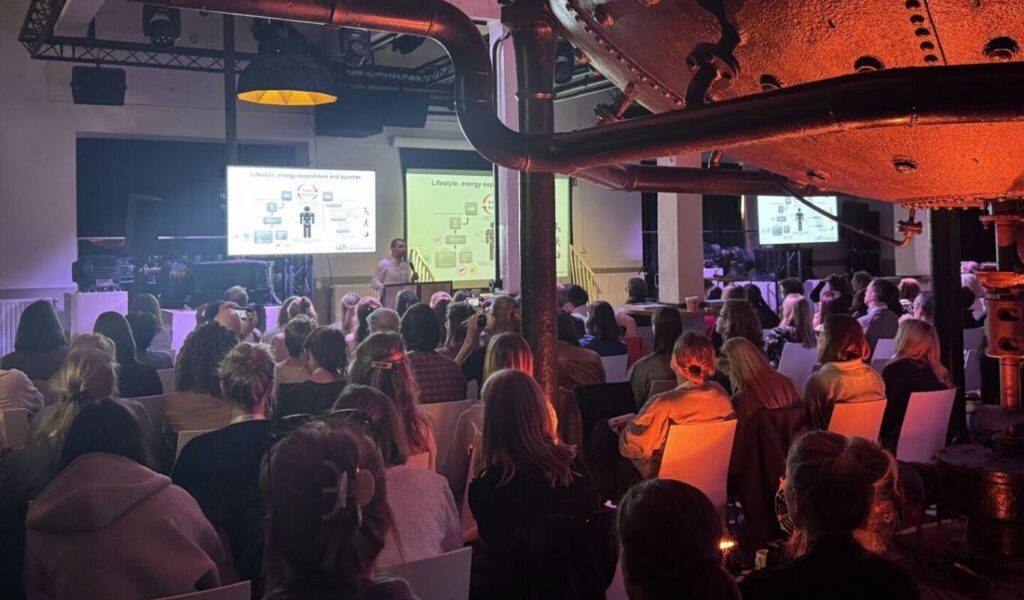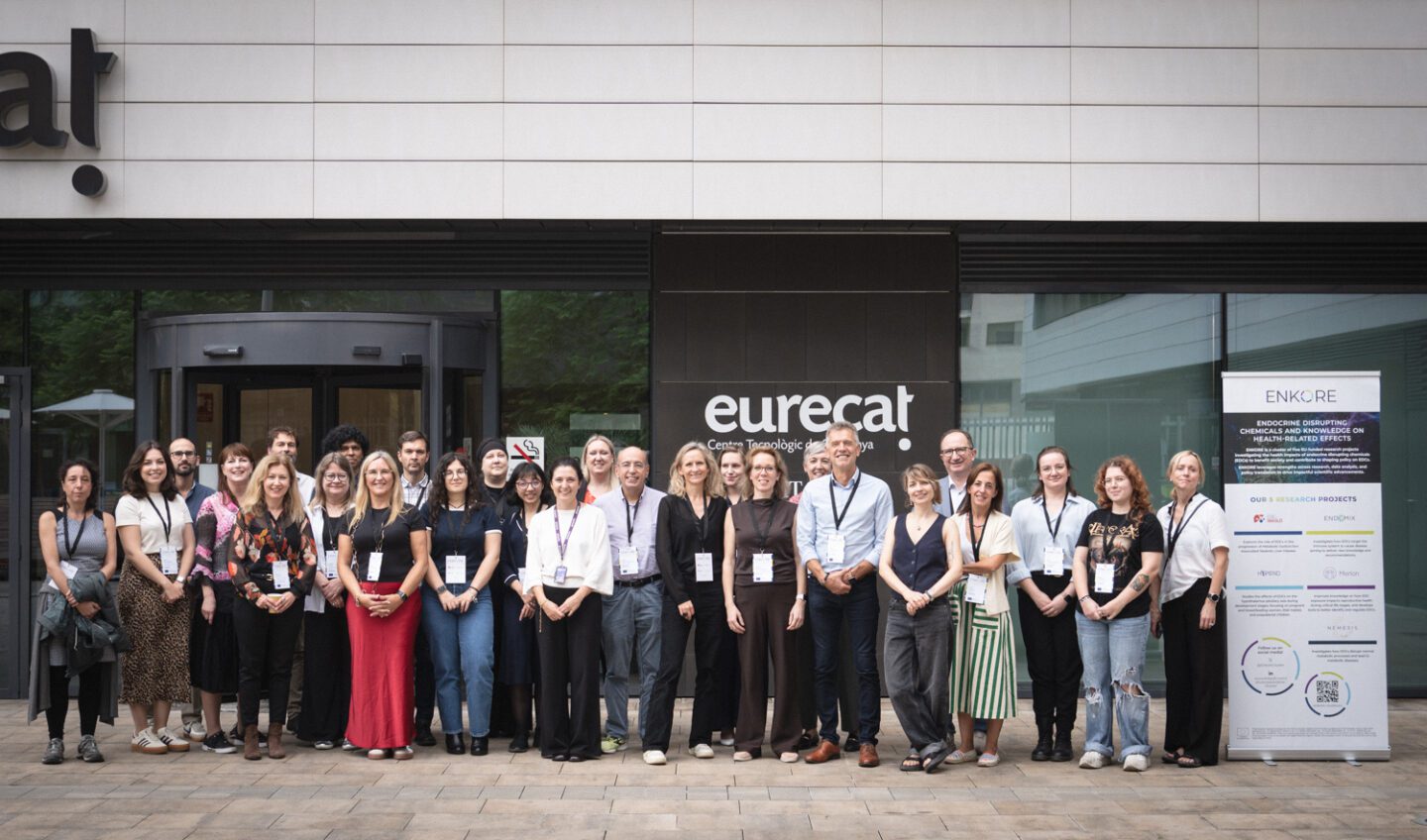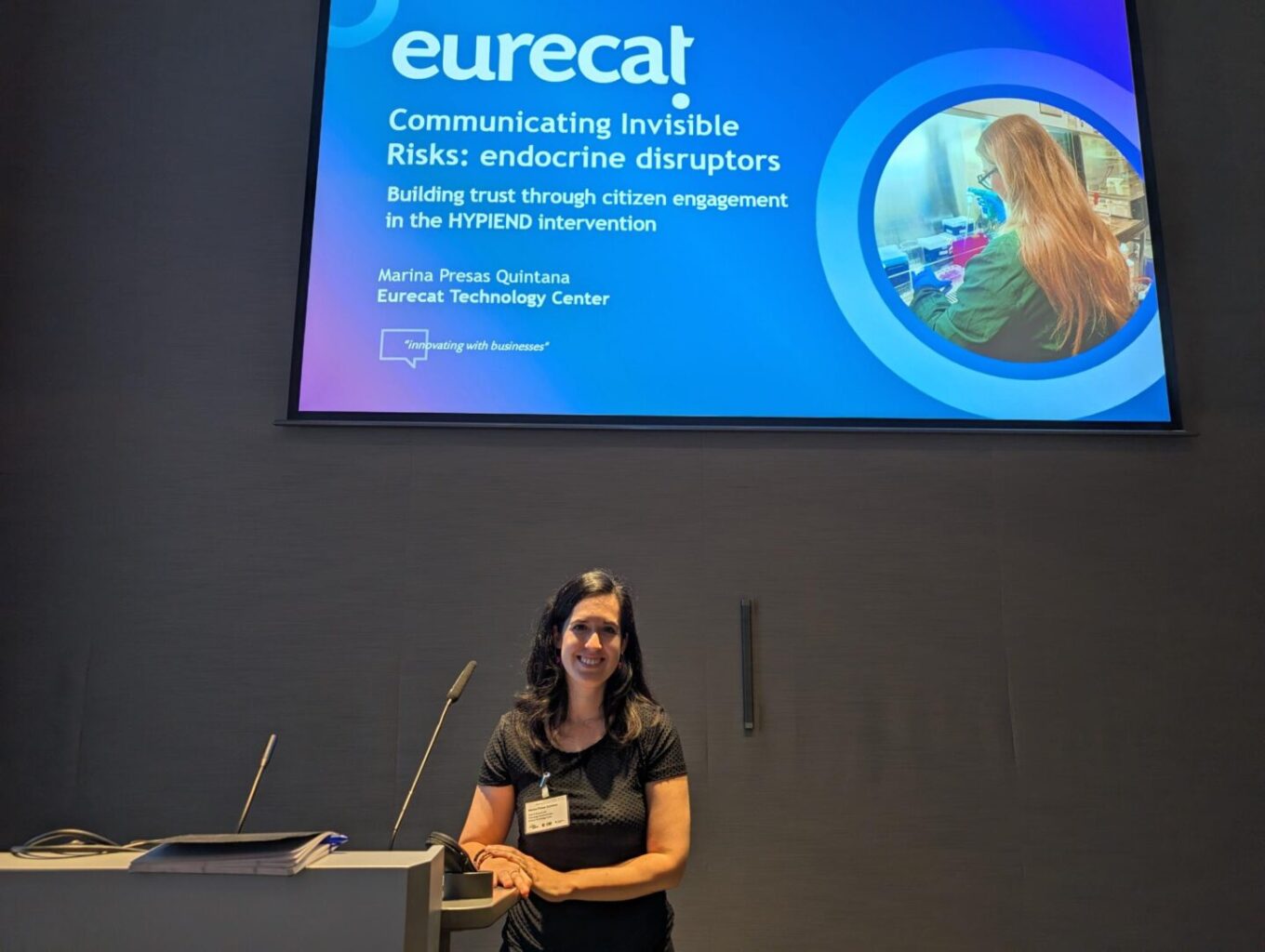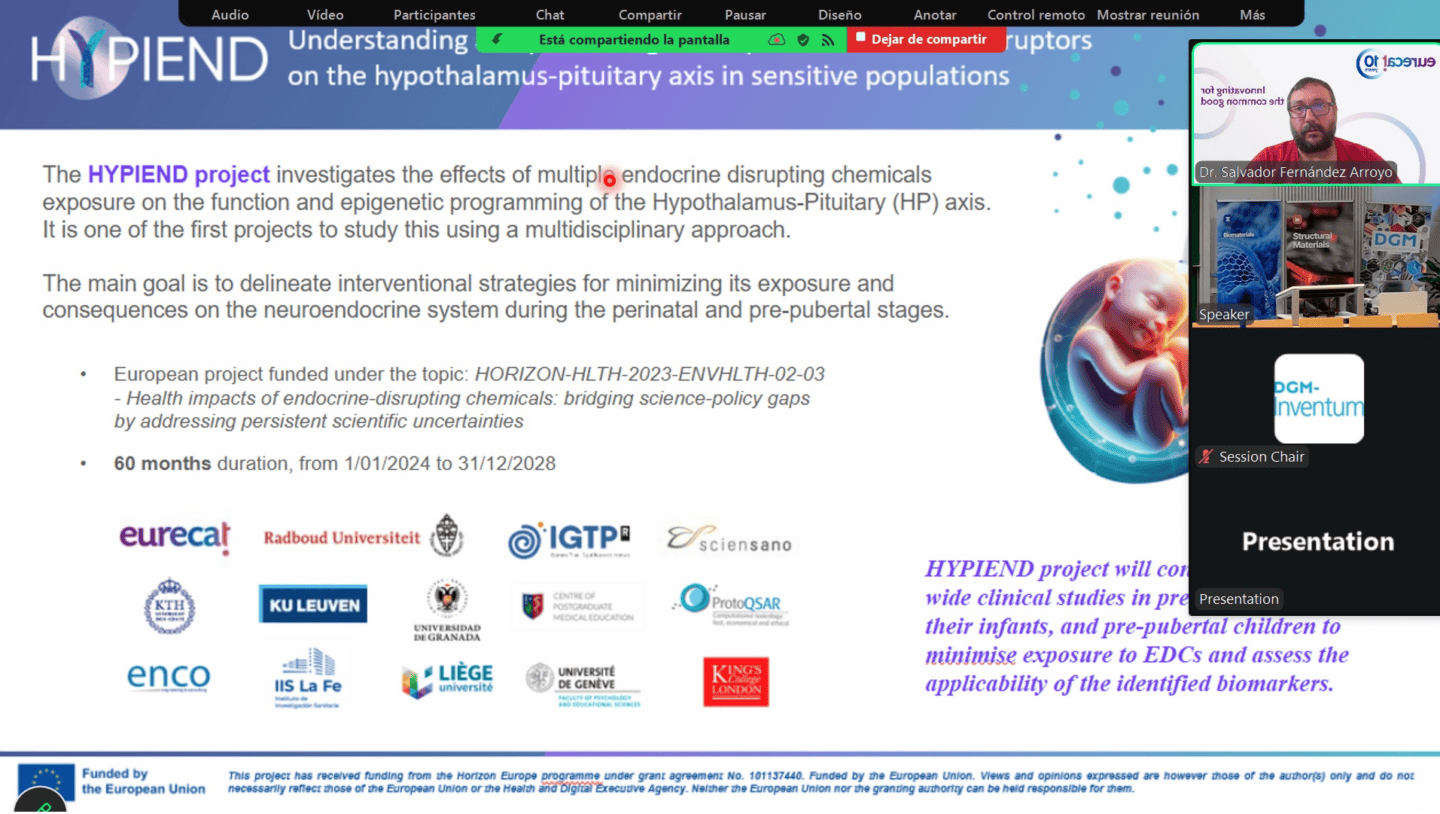
The HYPIEND project was showcased at the BASO World Obesity Week Conference 2026 – Re Thinking Obesity, held on 6 March 2026 in Leuven, Belgium. The event was organised by the Belgian Association for the Study of Obesity (BASO) and brought together clinicians, researchers and healthcare professionals working in obesity research and treatment.
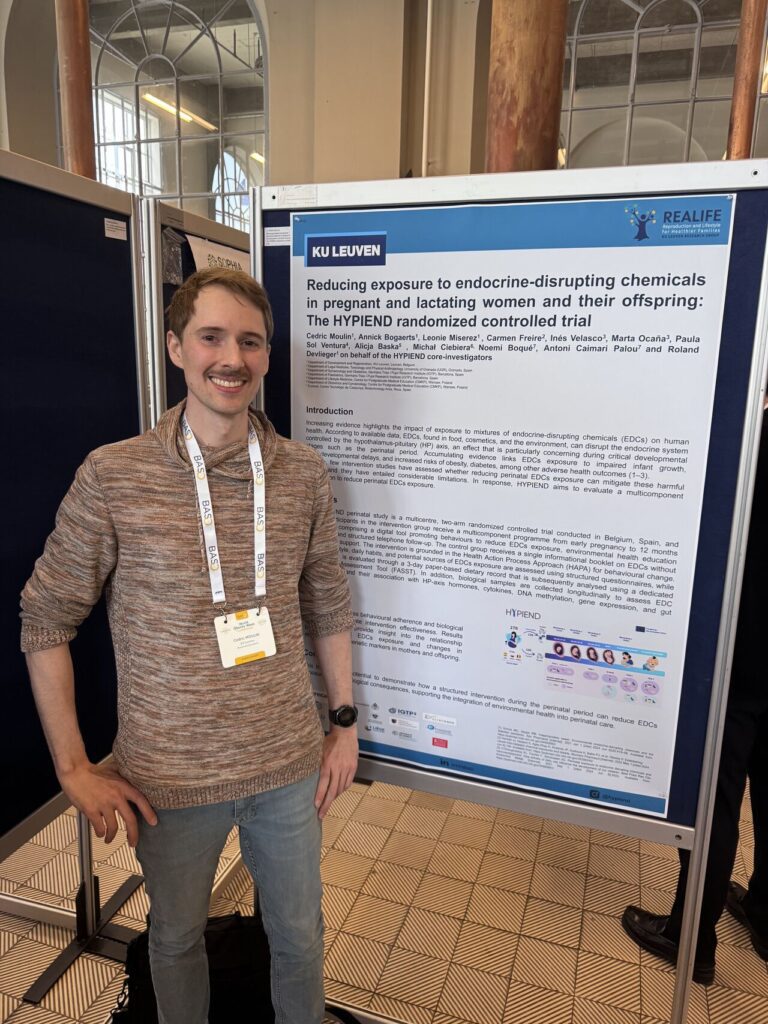
On behalf of the REALIFE research group at KU Leuven, Cedric Moulin presented a poster on the HYPIEND intervention study in pregnant women during the conference’s free-communication session, which attracted a large and engaged audience.

The poster presented the HYPIEND project’s work on developing and evaluating a targeted intervention aimed at supporting healthier lifestyle behaviours during pregnancy and breastfeeding. Pregnancy represents a key window of opportunity for preventive strategies, as maternal health behaviours can influence both short- and long-term outcomes for mothers and their children.
By focusing on this critical life stage, the HYPIEND project aims to support healthier environments during pregnancy by promoting strategies that help reduce exposure to Endocrine-Disrupting Chemicals (EDCs). These chemicals are increasingly recognised as potential contributors to metabolic disorders, including obesity.
Through its intervention study, HYPIEND seeks to better understand how targeted behavioural changes during pregnancy can lower exposure to EDCs and ultimately contribute to improved health outcomes for both mothers and their children.