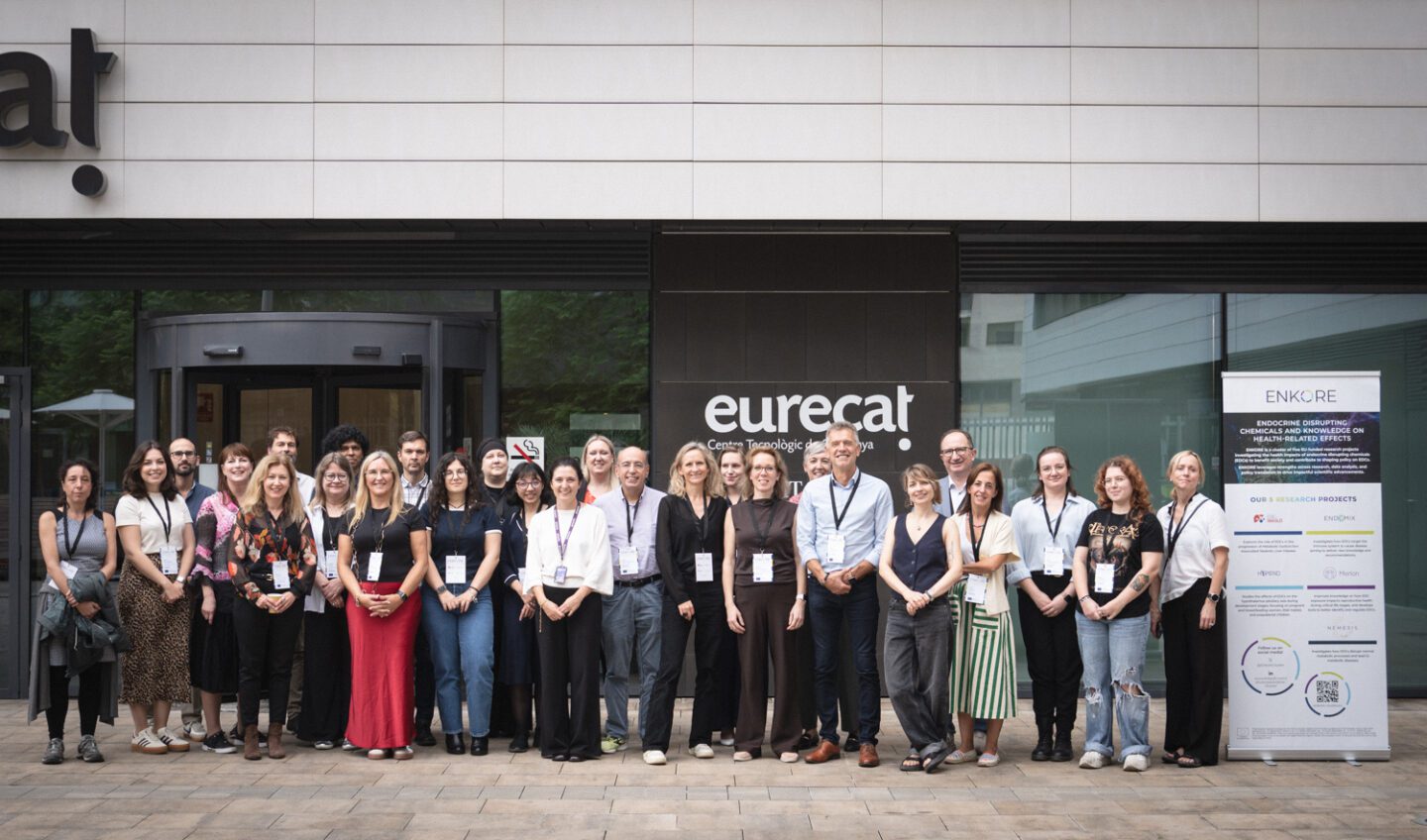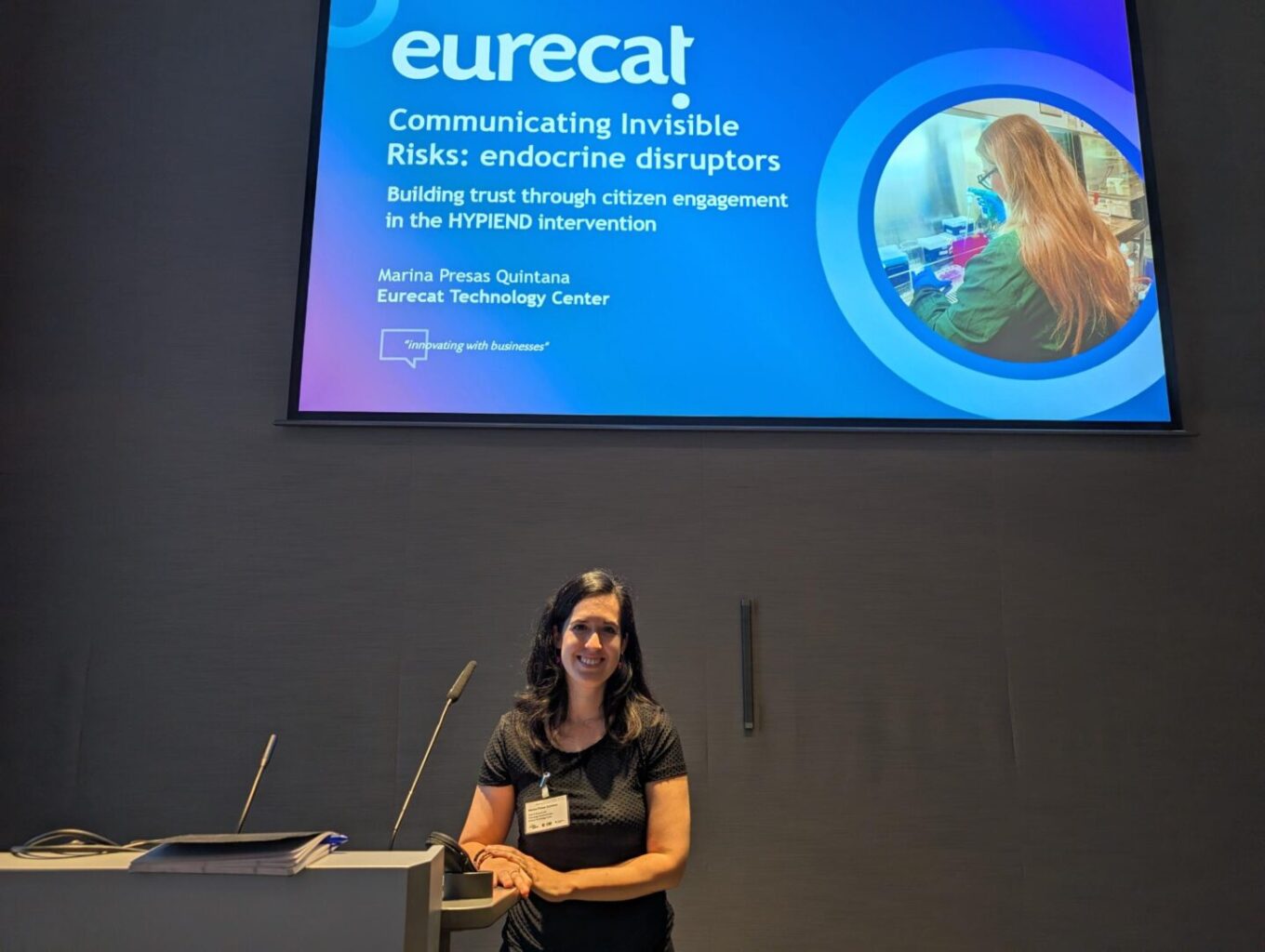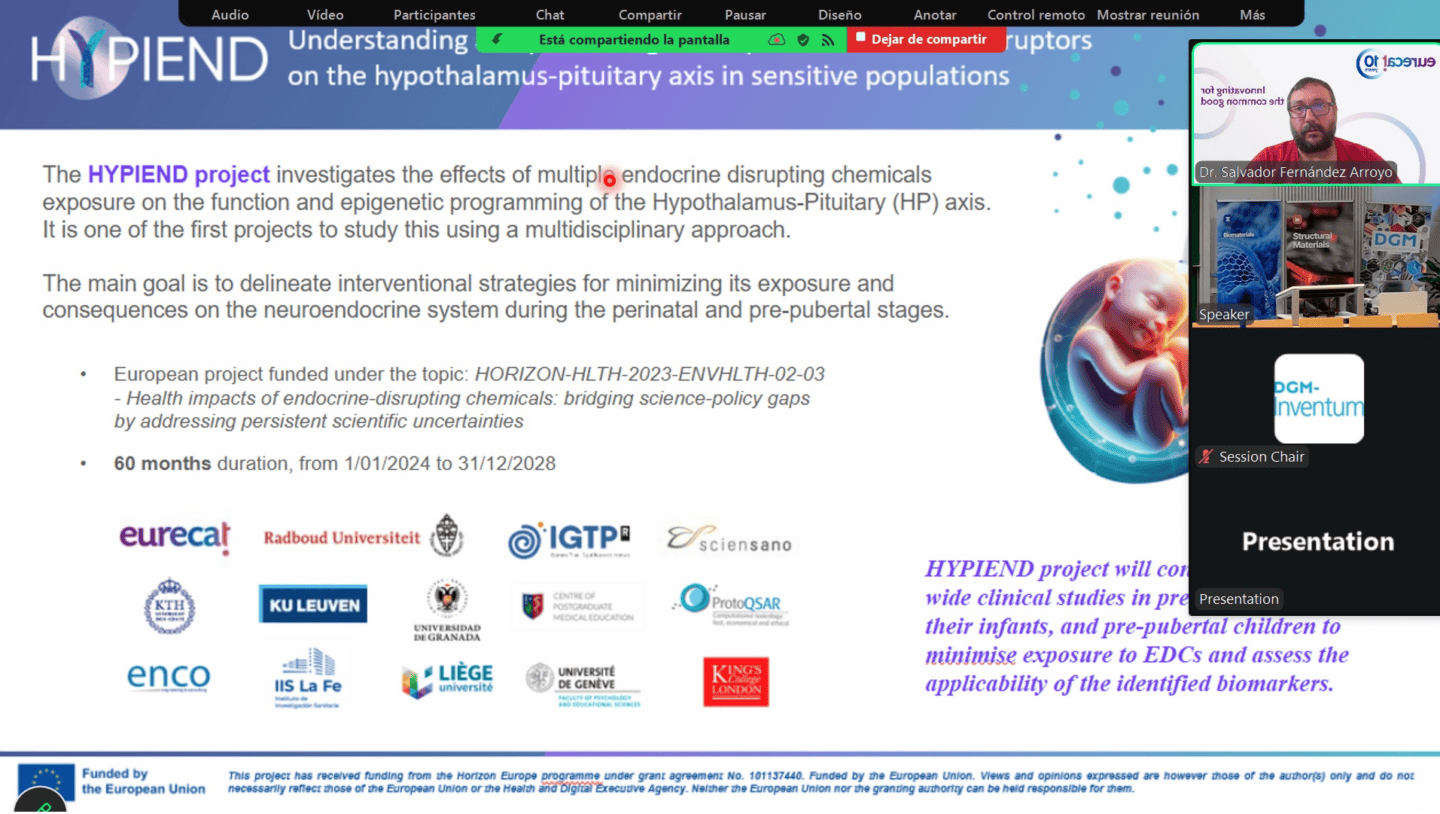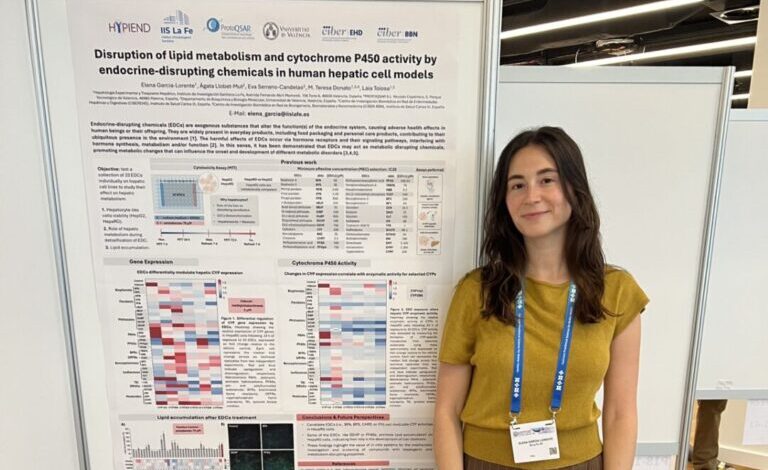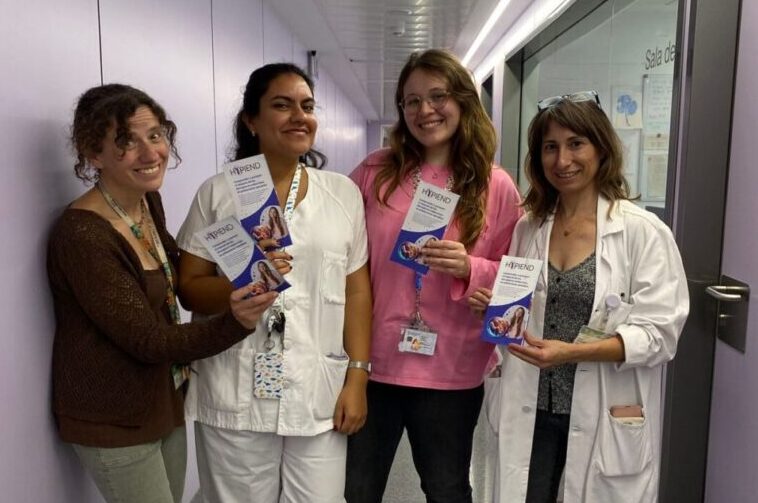
HYPIEND, a major European initiative designed to better understand and prevent the impact of endocrine-disrupting chemicals (EDCs) on children’s development. The project includes a large-scale study involving children aged 6 to 8, with the goal of reducing their exposure to substances that can interfere with the hormonal system.
“These chemicals, present in everyday products such as food, toys and cleaning items, can disrupt the hormonal system and affect metabolic, reproductive and thyroid development. Their exposure has been linked to early puberty, which makes education and prevention especially important.” - Noemí Boqué - scientific coordinator of the HYPIEND project and researcher at Eurecat's Nutrition and Health Unit.
HYPIEND is also carrying out a parallel study to examine how endocrine disruptors affect pregnant women and babies during the first 18 months of life, while testing the effectiveness of strategies to reduce exposure.
The research team is currently recruiting volunteers, and more than 135 pregnant women and their infants are expected to take part in Catalonia alone.
Educational strategy engaging schools and families
At the centre of the project is an educational intervention aimed at raising awareness and encouraging behavioural changes that help reduce exposure to EDCs.
Over a period of more than two years, schools in Belgium and Spain are participating in an initiative involving over 700 children. In Spain, for instance, the programme includes more than 350 children from 17 schools in Catalonia.
The intervention combines classroom activities, teacher training, workshops for parents and practical actions to promote sustainable habits. Schools will also assess ways to reduce plastic use in their dining halls.
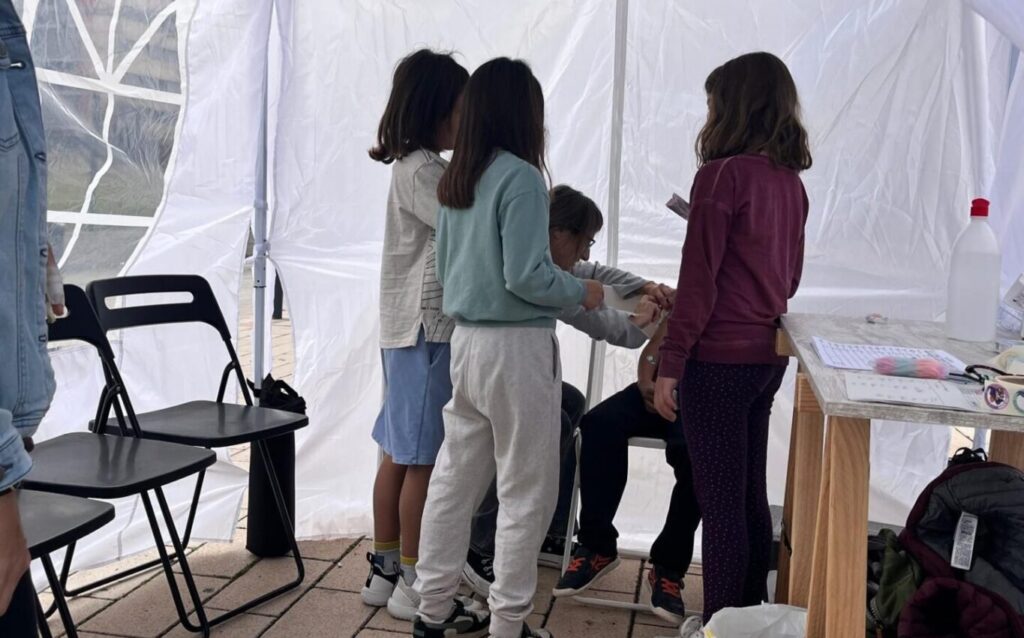
Families will attend four workshops during the first year to learn how to identify and minimise exposure at home, from reducing plastic food containers to choosing cosmetics more safely and improving indoor ventilation.
Digital tools to support behaviour change
To support participating families and schools, Eurecat has developed a digital platform offering practical recommendations and personalised guidance on healthy habits and environmental prevention.
Accessible through a mobile app, the platform integrates training materials, interactive content, and habit-tracking features based on the Health Action Process Approach (HAPA), a behavioural model that combines knowledge, motivation and action to drive sustained change.
Advanced omics technologies to measure impact
To evaluate the intervention’s effectiveness, researchers will collect urine samples from participating children at several points during the study to measure a wide range of endocrine-disrupting chemicals from plastics, cosmetics, food and drinking water.
These analyses will be carried out by Eurecat’s Omics Sciences Technology Unit using high-sensitivity mass spectrometry and complementary omics techniques to study gut microbiota, hormonal profiles and epigenetic changes.
“Developing new analytical methods is essential, given the diversity and extremely low concentrations of these substances, which can still have real effects on metabolism and the neuroendocrine system” - Salvador Fernández - researcher at the Omics Science Technology Unit, Eurecat.

The team also aims to identify non-invasive biomarkers that could help assess exposure and physiological effects in future studies, reducing reliance on urine analyses that reflect only recent exposure.
Health, lifestyle and nutrition questionnaires will complement the biological data to detect potential changes in pubertal development and daily habits.
Creating healthier environments for children
The project seeks to demonstrate that a comprehensive educational strategy can significantly reduce exposure to endocrine disruptors in school-aged children. “The combination of school- and family-based measures with innovative digital tools positions HYPIEND as a reference initiative in applied environmental health research,” Caimari adds.
In Catalonia, the study is led by the Paediatric Environmental Health Unit at the Germans Trias i Pujol Hospital and the Germans Trias i Pujol Research Institute (IGTP), with support from Badalona City Council. In Belgium, the project is led by the University of Liège and Sciensano.
“HYPIEND “is helping to build scientific evidence on the relationship between environmental exposure and child health, while promoting educational and preventive actions that create safer, healthier environments for children.” - Antoni Caimari- director of Eurecat’s Biotechnology Area, Eurecat.
With a budget of €7 million, HYPIEND includes experts in computational toxicology, biochemistry, molecular biology, human nutrition, omics sciences, epidemiology and digital health. Advanced mass-spectrometry methods and behavioural-change strategies will be used to detect chemical compounds at very low concentrations and promote actions that minimise environmental exposure.
The HYPIEND consortium is made up of 14 partners from eight European countries. They are the Eurecat Technology Centre, the project’s coordinator, the Health Sciences Research Institute of the Germans Trias i Pujol Foundation (IGTP-CERCA), the University of Granada, Protoqsar and the Health Research Institute Hospital La Fe (IIS La Fe) in Spain; Stichting Radboud University (SRU) in the Netherlands; Sciensano, the KU Leuven and the University of Liege (ULiège) in Belgium; KTH Royal Institute of Technology in Sweden; the Centre of Postgraduate Medical Education (CMKP) in Poland; and Enco SRL in Italy. King’s College London (UK) and the University of Geneva (Switzerland) are also participating.